 EN
EN

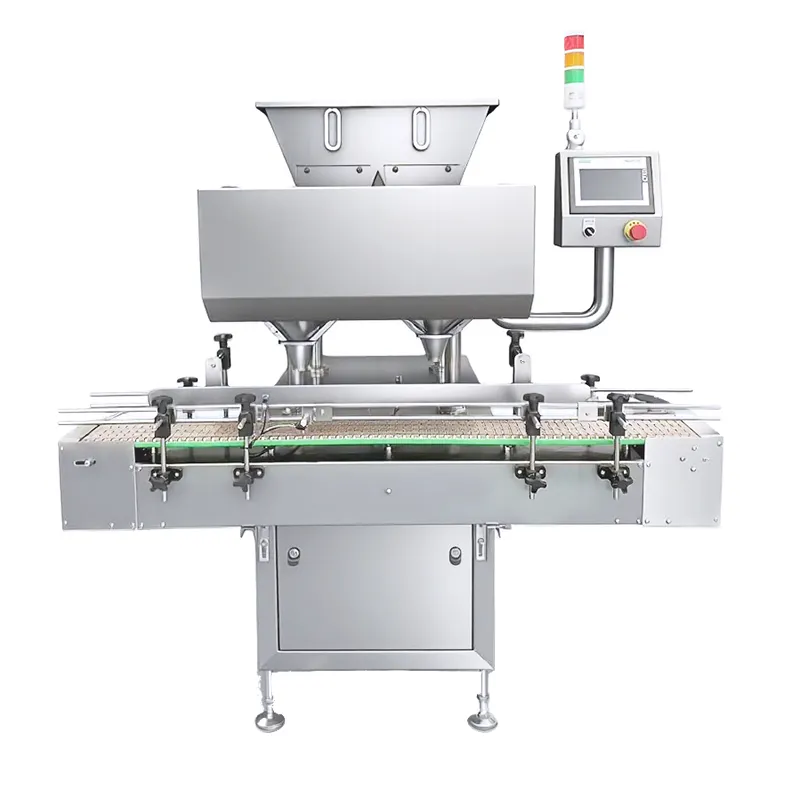
Speed and Efficiency: How Capsule Counting Machines Outperform Manual Counting
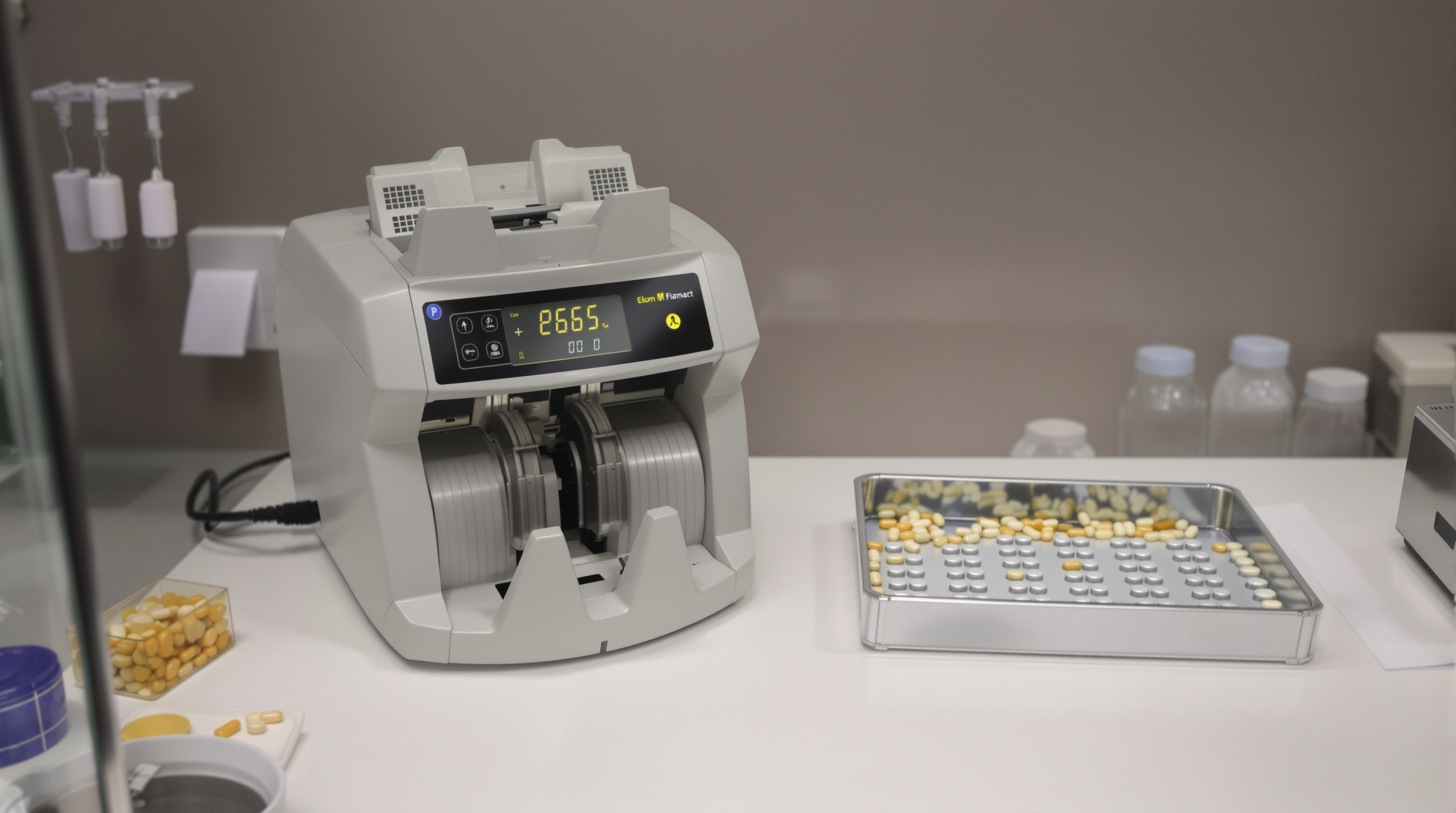
The Growing Demand for Faster Pharmaceutical Dispensing
Pharmacies face mounting pressure to reduce patient wait times while maintaining accuracy. A 2023 CDC report found prescription volumes in urban pharmacies increased 37% between 2019–2023, straining manual counting workflows. This surge has driven 82% of pharmacy managers to prioritize speed enhancements in dispensing processes (Pharmacy Automation Report 2023).
How Automation Accelerates Capsule and Pill Counting
Capsule counting machines process 300–1,000 units per minute, compared to 30–60 capsules manually counted in the same timeframe. Advanced systems use vibratory sorting and optical sensors to achieve 99.4% accuracy rates, eliminating time-consuming recounts. Semi-automatic models reduce counting time by 89% compared to hand-counting methods in a 2024 study of 120 community pharmacies.
Comparison of Counting Methods
| Metric | Manual Counting | Semi-Automatic Machine | Fully Automatic Machine |
|---|---|---|---|
| Speed (capsules/min) | 40–60 | 150–220 | 300–1,000 |
| Error Rate | 2.1% | 0.8% | 0.3% |
| Staff Fatigue Impact | High | Moderate | Negligible |
Case Study: Time Savings in Urban Pharmacy Chains Using Automatic Counting Machines
A 20-location pharmacy chain reduced counting errors by 92% after deploying 35 automated counters, saving 55 hours weekly previously spent on verification. Staff redirected 78% of saved time to patient consultations, increasing customer satisfaction scores by 41% (Chain Pharmacy Quarterly 2023).
Optimizing Workflow with Automated Capsule Counting Technology
Integrating counting machines with labeling systems reduces workflow bottlenecks by 63%. Machines with automated vial-filling capabilities slash dispensing time from 8 minutes (manual) to 90 seconds per prescription. This efficiency gain allows pharmacies to handle 22% higher daily prescription volumes without expanding staff.
Industry Trend: Rising Adoption of Electronic Tablet and Capsule Counters
62% of urban pharmacies now use electronic counters, up from 34% in 2020. This adoption is projected to reach 74% by 2025 as equipment costs drop 18% annually since 2021 (Pharmacy Automation Report 2023). The shift correlates with a 57% reduction in labor costs per prescription in automated facilities versus manual operations.
Cost Analysis: Upfront Investment vs. Long-Term Savings of Capsule Counting Machines
High Initial Costs of Automatic Counting Systems
Purchasing pharmaceutical counting automation requires substantial capital, often ranging from $5,000 to $20,000 depending on features and capacity. These costs include the machine itself, installation, operator training, and initial calibration procedures. Budget-conscious pharmacies must consider this expenditure against existing cash flow constraints.
Calculating ROI: When Does a Capsule Counting Machine Pay for Itself?
Return on investment (ROI) emerges through labor reduction and error minimization. By quantifying time saved per prescription and reduced medication waste, most pharmacies recoup costs within 18–36 months. Independent research indicates clinics processing over 150 daily prescriptions typically achieve payback in under two years through staff reallocation benefits.
Case Study: Long-Term Savings in Community Pharmacies Using Automation
A regional pharmacy network implemented specialized counting technology across 12 locations, documenting 53% faster fulfillment within six months. The initial $160,000 investment yielded $78,000 annual labor savings and reduced dispensing errors by 89%. This translated to full ROI in 26 months, followed by continuous operational savings.
Declining Equipment Costs and Improved Affordability Over Time
Technological advancements have steadily decreased prices, making sophisticated counting equipment 30% more affordable since 2020. Improved manufacturing efficiency and market competition now enable precision counting functionality at price points previously limited to manual counting accessories, expanding access for smaller dispensaries.
Strategies for Balancing Initial Investment and Operational Efficiency
Getting automation right starts with breaking down budgets into manageable chunks and figuring out what features are actually needed versus just nice to have. For pharmacies dealing with lower volumes, say under 100 prescriptions a day, semi-automatic systems tend to offer better bang for buck compared to full automation setups. Many pharmacy owners find that leasing options or working directly with vendors on payment plans helps get around upfront costs without messing up their regular operations. When shopping around, it's important to think ahead about how much money will go toward keeping the machines running over time, whether the system can grow with the business, and if it plays nicely with whatever dispensing equipment is already in place at the facility.
Labor Optimization: Reducing Workload and Time with Automated Capsule Counting
Impact of Capsule Counting Machines on Pharmacy Staff Productivity
Capsule counting machines really change how things work around here, taking staff away from the boring task of counting pills all day long and letting them do stuff that actually requires their skills. Pharmacists spend more time talking to patients about their medications, checking if prescriptions make sense together, and making sure everything's correct before it leaves the counter. Mistakes happen less often these days, so nobody has to waste hours fixing what went wrong, which makes everyone happier and means we can handle more customers without breaking a sweat. Plus, when busy seasons hit, the machines just keep going at the same pace, so there's no panic about hiring extra hands last minute like we used to have to do.
Quantifying Time Savings in Daily Pharmaceutical Dispensing Tasks
Counting pills by hand usually eats up around 2 to 3 minutes for each prescription, but with an automated system, the same task gets done in just about 10 seconds flat. Take a typical mid size pharmacy that deals with roughly 200 prescriptions every day. Doing the math, that adds up to saving well over six hours of staff time weekly, which is basically what one person would work in three quarters of a full time job. All those saved hours mean pharmacists can focus on things that actually bring money into the business, such as running flu shot clinics or setting up better medication management schedules for patients. Looking at numbers from actual operations, most pharmacies find that simply cutting down on labor costs pays back the price of automation equipment somewhere between twelve and eighteen months after installation.
Reducing Repetitive Manual Tasks Through Automation
Automated systems take care of three major problems for workers: physical stress, mental tiredness, and mistakes. Pharmacy techs suffer from repetitive strain injuries at around 23% incidence rate according to OSHA data from last year, something that goes away when machines handle the counting tasks. Long work hours used to drain people's minds so much that their accuracy dropped after about half an hour of continuous work, which is exactly when most errors happen. Now employees get to focus on what they do best for patients – explaining medications and reviewing complicated treatment plans. This shift actually makes healthcare safer overall while improving the quality of service provided.
Accuracy and Reliability: Automated vs. Manual Capsule Counting Methods

Common Errors in Manual Pill and Capsule Counting
Manual methods carry a 12.6% prescription error rate, compared to 4.8% for automated systems. Fatigue, distractions, and irregular pill shapes contribute to miscounts, a serious concern given that 1 in 20 patients receives incorrect quantities (2023 pharmacy safety data). These errors not only compromise safety but also increase liability and waste.
Precision Engineering Behind Automated Counting Accuracy
Modern capsule counting machines combine vibratory feeders and optical sensors to achieve 99.9% accuracy, even with irregularly shaped tablets. Systems perform automatic weight calibration every 15 minutes, maintaining precision throughout extended shifts–a critical advantage over manual workflows where accuracy declines with fatigue.
Case Study: Error Reduction in Hospital Pharmacy Settings
A 300-bed hospital reduced counting errors by 68% within six months of implementing automated systems, saving $740,000 annually (Pharmacy Operations Journal 2024). The dual verification process–using both weight measurement and visual confirmation–proved especially effective in high-risk areas like oncology medication preparation.
Growing Industry Reliance on Automated Accuracy
83% of pharmacies now prioritize automated counting for controlled substances, driven by FDA guidance requiring ≤0.1% error rates in opioid dispensing (2024 Pharmaceutical Compliance Report). This reflects broader confidence in automated systems’ ability to ensure dosage consistency and maintain audit-ready records at scale.
When Human Oversight Still Adds Value in Automated Workflows
While machines handle 90% of routine counts, pharmacists remain essential for verifying unusual capsule shapes or damaged medications. Hybrid models–where automation manages bulk counts and staff review exceptions–optimize both efficiency and safety, particularly when dispensing customized compound medications.
Choosing the Right Capsule Counting Machine for Your Pharmacy Size and Volume
Selecting the optimal capsule counting solution requires matching technology capabilities to your operational scale. Workflow demands and prescription volumes dictate the most efficient investment strategy.
Manual and Semi-Automatic Counters for Small to Mid-Sized Pharmacies
Independent and community pharmacies processing 50–150 prescriptions daily benefit from simpler, lower-cost solutions. Manual counters suit occasional low-volume needs, while semi-automatic models offer improved efficiency with human-assisted loading. Capable of handling 100–500 capsules per minute, these systems balance performance and flexibility–ideal for pharmacies with frequent batch changes or space limitations.
Fully Automatic Machines for High-Volume Dispensing Environments
The busy hospital pharmacies along with those big central fulfillment centers that handle literally thousands of prescriptions every day absolutely need some kind of continuous throughput system to keep up. The fully automated machines these days can crank out over 1000 units each minute thanks to their built-in feeding mechanisms, sorting capabilities, and those little vial filling stations too. What this means in practice is fewer staff hours spent on manual counting and dramatically reduced errors when dispensing medication. For facilities running around the clock, these high capacity systems are basically non-negotiable if they want to maintain that same level of precision whether it's morning shift or midnight when everyone's tired and mistakes happen more often.
FAQ Section
What are capsule counting machines?
Capsule counting machines are automated devices used in pharmacies to count pills and capsules quickly and accurately, reducing manual counting errors.
How do capsule counting machines benefit pharmacies?
They increase efficiency, reduce counting errors, save staff time, and improve patient wait times and customer satisfaction.
What types of capsule counting machines are available?
Pharmacies can choose between manual, semi-automatic, and fully automatic machines based on their size, prescription volume, and budget.
Are capsule counting machines cost-effective?
Though they require a substantial initial investment, capsule counting machines generally pay for themselves within 18–36 months through reduced labor costs and increased accuracy.
Table of Contents
-
Speed and Efficiency: How Capsule Counting Machines Outperform Manual Counting
- The Growing Demand for Faster Pharmaceutical Dispensing
- How Automation Accelerates Capsule and Pill Counting
- Case Study: Time Savings in Urban Pharmacy Chains Using Automatic Counting Machines
- Optimizing Workflow with Automated Capsule Counting Technology
- Industry Trend: Rising Adoption of Electronic Tablet and Capsule Counters
-
Cost Analysis: Upfront Investment vs. Long-Term Savings of Capsule Counting Machines
- High Initial Costs of Automatic Counting Systems
- Calculating ROI: When Does a Capsule Counting Machine Pay for Itself?
- Case Study: Long-Term Savings in Community Pharmacies Using Automation
- Declining Equipment Costs and Improved Affordability Over Time
- Strategies for Balancing Initial Investment and Operational Efficiency
- Labor Optimization: Reducing Workload and Time with Automated Capsule Counting
- Accuracy and Reliability: Automated vs. Manual Capsule Counting Methods
- Choosing the Right Capsule Counting Machine for Your Pharmacy Size and Volume
- FAQ Section