 EN
EN

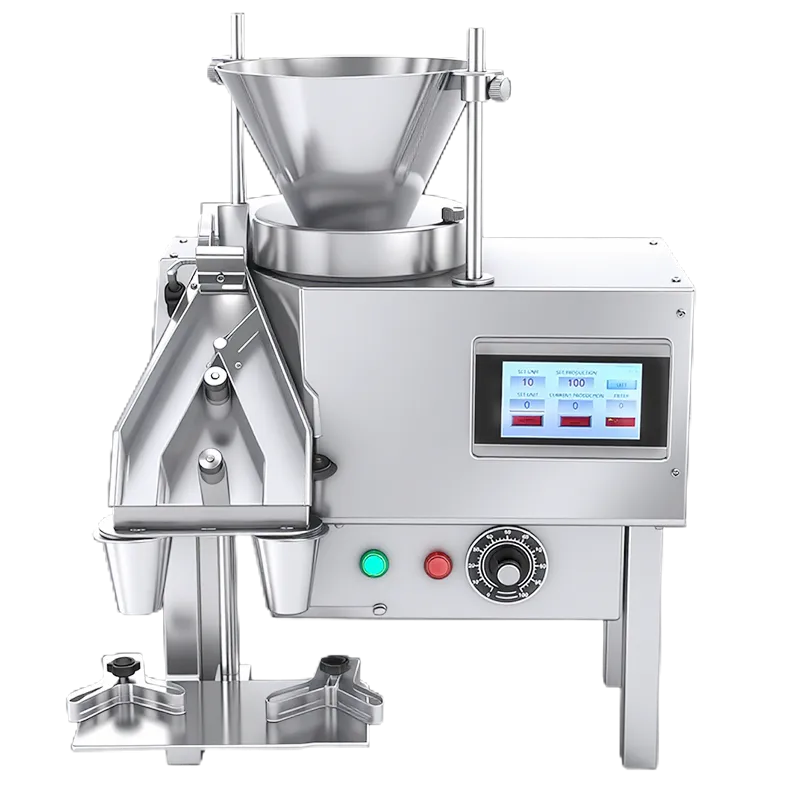
How Capsule Counting Machines Ensure Precision and Consistency
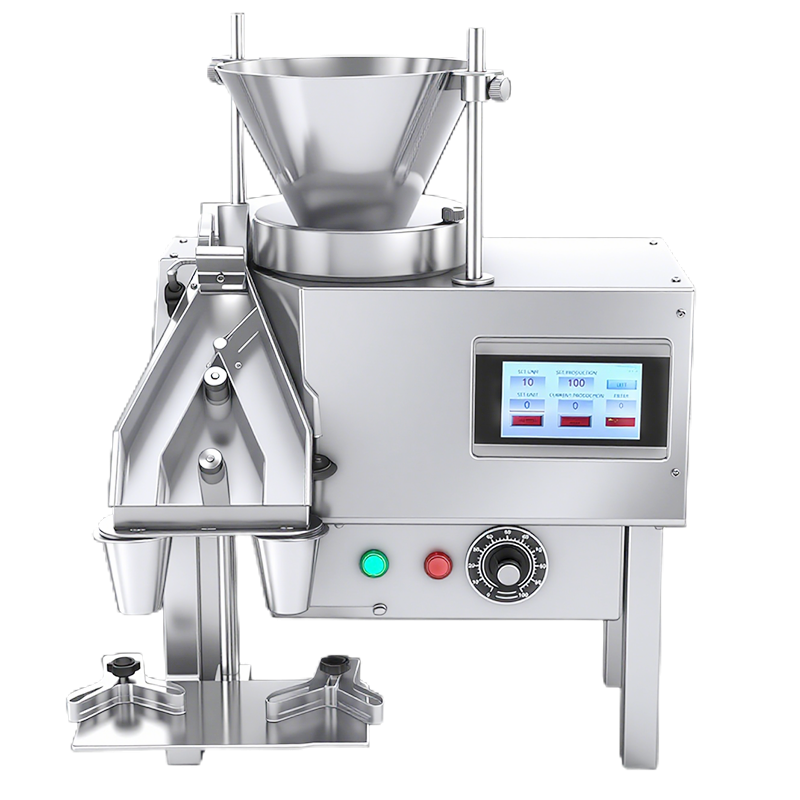
Manual capsule counting introduces significant risks in pharmaceutical production. Human counters typically make 2–5 errors per thousand capsules due to fatigue and distraction, creating batch variability that jeopardizes dosage accuracy and invites regulatory penalties. This inconsistency directly conflicts with Current Good Manufacturing Practice (CGMP) requirements for uniform drug potency.
Core Working Principles: Optical Sensing, Vibration Orientation, and Weight Verification
Today's capsule counting machines get around many of the problems people face when doing this work manually thanks to their built in verification systems. These machines have optical sensors that zip through capsules quickly, figuring out where they are and how many there are. At the same time, special vibration trays help line up all those little capsules so they don't stick together during counting. What really makes these machines stand out though is the inclusion of precision scales that check the weight at the end. The machine then compares what it saw visually with what it weighed, catching any mismatches. This whole process gets about 99.9% accurate results most of the time because it throws out anything that doesn't match between sight and weight checks something no human could possibly do consistently.
Optimizing Speed and Accuracy in High-Volume Production
From Semi-Automatic to Fully Integrated Capsule Counting Machines
Moving away from manual capsule counting to semi automatic machines brings down human errors by around 74%. But real productivity jumps when facilities go fully automated. The latest systems combine counting, dust removal, and defective capsule rejection all in one setup, which gets rid of those annoying delays between separate processes that happen with older equipment. What do operators need to do? Just dump in the bulk capsules. The machine takes care of aligning them using special vibrating plates and counts accurately thanks to optical sensors. Changeover times drop by about 60% while keeping count accuracy above 99.8% throughout an entire 8 hour workday. This matters a lot for big batches over 500 thousand units where trying to recount manually would not only take forever but also pose serious contamination risks.
AI-Enhanced Anomaly Detection for ±0.05% Accuracy at 200–300 Capsules/Minute
When capsule throughput goes above 200 per minute, standard sensors start having trouble picking up those tiny fluctuations in how capsules move along the line. Modern AI systems have changed this game completely though. They look at live footage from fast cameras plus readings from load cells, spotting issues like stuck capsules or slight weight changes almost instantly - usually within half a second or so. What makes this really impressive is that these smart corrections keep counting errors below 0.05%, which means only one mistake happens every 2,000 capsules even when machines are running flat out at 300 per minute. The Food and Drug Administration takes notice of this kind of accuracy too. Their inspections rely on complete digital records that show no variation whatsoever during continuous operations day after day. For manufacturers dealing with strict regulations, this level of reliability can make all the difference in passing quality checks without headaches.
Capsule Counting Machines as Quality Assurance Gatekeepers
Beyond accurate enumeration, modern capsule counting machines act as critical quality assurance gatekeepers. They intercept physical defects before capsules enter the counting chamber, preventing compromised units from contaminating batches or reaching patients.
Real-Time Vision Inspection: Rejecting Misshapen, Cracked, or Discolored Capsules Pre-Count
High-resolution camera systems integrated into the infeed path perform instantaneous visual analysis of each capsule. Sophisticated algorithms compare capsule geometry, surface integrity, and color against predefined acceptance criteria. This enables:
- Immediate rejection of capsules with critical flaws: splits, dents, or significant deformities
- Identification and removal of capsules exhibiting color deviations or surface contamination
- Prevention of micro-cracks invisible to the human eye but posing stability risks
By catching these defects prior to counting, the system ensures only conforming capsules are tallied and packaged. Studies indicate this pre-count inspection can reduce downstream quality failures by over 90%, significantly lowering waste and recall risk while upholding GMP standards.
Meeting Regulatory Standards Through Traceable, Audit-Ready Capsule Counting
Closing the Data Gap: 21 CFR Part 11 Compliance and Electronic Batch Records
The pharmaceutical industry is under growing scrutiny when it comes to keeping detailed records for those inevitable regulatory checks. Old fashioned manual counting methods just don't cut it anymore. We've all seen what happens - missing paperwork, typos in records, and batches that nobody can track back to their origin. That's where modern capsule counters come in handy. These machines handle the 21 CFR Part 11 requirements automatically through built-in electronic batch records. Every single count gets recorded with time stamps, who operated the machine, even which capsules got rejected. All this info is locked away securely so auditors can access it anytime they want. No more scribbling notes by hand! Plants that switched to this automated system tell us their audit responses are resolved 30 to 50 percent quicker because everything's right there at their fingertips. Plus, having real time records makes figuring out quality issues much easier. With regulators now asking for complete visibility across the entire production chain, these systems turn compliance from something companies rush to fix after the fact into something that stays on track throughout manufacturing.
FAQ
What is the error rate typically associated with manual capsule counting?
Manual capsule counting leads to 2–5 errors per thousand capsules due to human fatigue and distraction.
How do capsule counting machines improve accuracy?
Capsule counting machines use optical sensors, vibration orientation, and precise weight verification to achieve about 99.9% accuracy.
What is the role of AI in capsule counting machines?
AI systems improve accuracy by identifying anomalies like stuck capsules or weight changes almost instantly, keeping counting errors below 0.05%.
How do capsule counting machines assist in quality assurance?
They intercept and reject defective capsules through real-time vision inspection, reducing downstream quality failures by over 90%.
What regulatory standards do modern capsule counting machines meet?
They meet 21 CFR Part 11 compliance requirements by maintaining electronic batch records, making audits more efficient and accurate.