 EN
EN

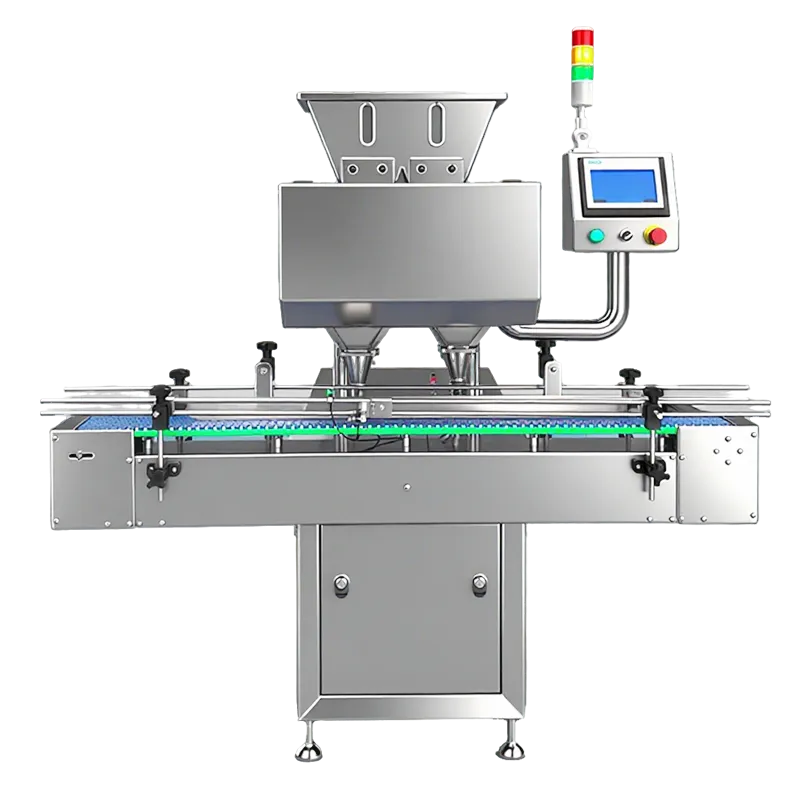
From Hand-Counting to Early Automation: The Evolution and Advancement of Tablet Counting Machines
Early Pharmacy Practices and Hand-Counting Tablets
Before automation became common, pharmacists had to count pills by hand, which was really time consuming and full of mistakes. They used basic equipment such as trays for organizing tablets and little metal spoons called spatulas. Looking back at old pharmacy data, it seems most workers managed about 85 percent accuracy when counting medication. But recent research from the 2024 Pharmacy Automation Study shows something alarming: when people counted prescriptions manually, there were errors around 12.6% of the time. These mistakes aren't just numbers on paper either they put patients at risk and create all sorts of problems with keeping track of what medicine is actually available in stock.
Common Tools Used in Pre-Automated Pill Counting
Before tablet counting machines, pharmacies utilized:
- Metal or glass trays with grooves to separate tablets
- Spatulas for redistributing miscounted pills
-
Manual ledger books to document inventory changes
These tools limited pharmacies to processing 50–60 units per minute, creating bottlenecks during peak hours.
Kirby Brothers and the Invention of the First Automated Tablet Counting Machine
The 1958 patent by engineers Robert and James Kirby revolutionized pharmaceutical workflows. Their vibration-powered device used mechanical gates to separate pills, achieving 200 units/minute–quadrupling manual speeds. While primitive by modern standards, this machine laid the groundwork for sensor-based automation, reducing counting errors by 38% in initial trials.
Impact on Prescription Accuracy and Early Adoption in Hospitals
Early adopters like Johns Hopkins Hospital reported 4.8% error rates with automated systems versus 12.6% manually–a 62% improvement that justified the high upfront costs. By 1965, 22% of U.S. hospitals had implemented first-generation tablet counting machines, primarily for high-volume antibiotics and pain relievers.
The Rise of Sensor-Based Tablet Counting Technology
Working principle of a tablet counting machine: vibration trays and optical sensors
Today's tablet counters mix vibrating trays with high tech optical sensors to make things run smoother in pharmacies and drug manufacturing. The vibrating trays line up pills in neat rows one after another, and those fancy infrared sensors watch every pill as it goes through the counting area. These machines took over from the old manual counting approaches that were so prone to mistakes. Early versions could count over 1,200 tablets a minute, which was pretty impressive back when they first came out on the market.
Integration of load cells and real-time feedback for precision
Second-generation systems introduced load cells beneath collection chambers, enabling real-time weight verification. This dual-layer validation–optical counts paired with gravimetric checks–reduced discrepancies to under 0.5% across production batches, a 15x improvement over first-generation sensor-only designs.
Evolution of sensor accuracy and reduction in error rates
Sensor technology progressed from basic photoelectric detection to high-resolution CCD imaging capable of identifying tablet defects. Recent industry studies show error rates improved from 12% (1990s) to 0.3% in modern systems, with leading models achieving 99.97% accuracy through multi-angle image recognition algorithms.
Reliability concerns and controversy in early sensor models
Initial optical counters faced widespread skepticism after a 2003 FDA audit revealed 8% count variances in coated tablets. These challenges spurred regulatory mandates for secondary verification systems and accelerated the adoption of hybrid sensor-gravimetric designs by 2008.
Automation Levels: Manual, Semi-Automatic, and Fully Automatic Systems
Types of Tablet Counting Machines and Their Automation Spectrum
There are basically three levels of automation when it comes to tablet counting machines these days. At the most basic level we have manual systems where pharmacists actually count each pill one by one using simple tools such as trays and spatulas. This approach is still common enough in smaller pharmacies that don't handle many prescriptions daily. Then there's the middle ground with semi-automatic equipment that uses vibrating trays combined with human supervision. These setups speed things up considerably while still letting staff double check counts for accuracy. The top tier consists of fully automated systems equipped with sophisticated optical sensors and those PLC controllers everyone talks about. Such machines can crank out thousands of tablets an hour with almost no need for operator input, which explains why big pharmaceutical companies rely on them so heavily for their massive production runs.
Functional Comparison: Efficiency, Cost, and Usability Across Systems
How much automation is used really affects how well operations run. When pharmacists count pills by hand, they're paying someone $28 an hour on average just for this task alone. And let's face it, mistakes happen pretty often too around 5% or more when there are lots of prescriptions coming through. Semi automatic machines cut down those errors dramatically to between 0.8 and 1.5 percent. These machines typically cost anywhere from twenty thousand to seventy thousand dollars, so they work out pretty well for pharmacies that handle over two hundred prescriptions each day. Then we get to fully automatic systems which basically wipe out counting errors almost entirely according to recent FDA numbers from 2023. But these top of the line systems come with price tags starting at eighty grand and going all the way up to three hundred thousand dollars. That kind of money puts them completely out of reach for most small pharmacy operations trying to stay competitive without breaking the bank.
Workflow Integration in Pharmaceutical Production and Retail Pharmacies
Retail pharmacies typically go with semi automatic systems because they can handle all sorts of different pill sizes, while big manufacturers have moved toward full automation with everything synced up to blister packaging and label printing machines. According to a recent industry report from 2024, around 7 out of 10 GMP certified plants now run on PLC controlled counting systems with live production data displays. That's pretty impressive when compared to just over 40 percent among retail pharmacy chains. What this gap shows is that there's increasing demand for flexible equipment solutions that let small pharmacies upgrade their automation step by step as budgets permit.
Modern Control Systems and Regulatory Compliance
Role of Programmable Logic Controllers (PLCs) in Tablet Counting Machines
At the heart of today's tablet counting systems sit programmable logic controllers or PLCs for short. These specialized computers take care of all the fine details in operation from managing those vibrating trays that move the pills around, to working with optical sensors that spot each tablet, and controlling how they get sorted out at the end. What makes them so valuable is their ability to run through programmed instructions while keeping track of important factors such as tablet dimensions and how fast they come along. The system then tweaks itself on the fly to stay within about 1 percent accuracy when counting tablets, something it manages even when processing over ten thousand tablets every single minute.
Synchronization with Packaging, Labeling, and Upstream Processes
Advanced systems now synchronize counting stages with downstream packaging and labeling equipment through standardized protocols like OPC-UA. This integration reduces manual handling by 72% (Pharmaceutical Technology Review 2023) while ensuring batch numbers and expiration dates align automatically with counted quantities.
Data Logging, Traceability, and Compliance With FDA and GMP Standards
Modern machines generate encrypted audit trails documenting every counting cycle, including timestamps, operator IDs, and environmental conditions. This granular traceability helps manufacturers comply with FDA 21 CFR Part 11 and EU GMP Annex 11 requirements for electronic records, reducing compliance violations by 58% in FDA audits (2022 Pharma Compliance Report).
Challenges of High Automation: Cost Barriers for Small Pharmacies
While hospital pharmacies and large manufacturers benefit from automated systems, 63% of independent pharmacies cite upfront costs above $45,000 as prohibitive (National Community Pharmacists Association 2023). This disparity has sparked industry debates about subsidized automation models to ensure equitable access to error-reduction technologies.
Market Trends and Future Innovations in Tablet Counting Machines
Key Manufacturers Driving Innovation
Leading manufacturers are pioneering advancements in tablet counting machines through improved material durability and embedded quality-control systems. These innovations reduce jamming incidents by 37% compared to legacy models (2023 Pharmaceutical Automation Report). One prominent example is a Chinese machinery provider that recently introduced dual-sensor verification, addressing miscount errors in irregular-shaped pills.
Modular Designs and IoT-Enabled Remote Monitoring Trends
Pharmacies are increasingly turning to modular tablet counting systems because they can swap out just one piece, say a worn vibration tray or outdated optical sensor, instead of replacing the whole machine. With IoT tech built in, managers can actually watch how machines perform from different branches all at once. Some folks in the industry predict this trend will keep growing at around 6.8 percent each year until 2030. Those who jumped on board early tell stories of cutting down on production holdups by nearly a quarter since their systems started sending warnings when parts start showing signs of wear before they actually fail.
Future Outlook: AI Integration and Smart Factories
Newer systems are using artificial intelligence to automatically adjust for different tablet sizes, getting really close to perfect counts at around 99.96% accuracy during early testing phases. When paired with those blockchain tracking methods everyone's talking about lately, this tech fits right into what the FDA wants regarding better data records. But here's the catch: most small pharmacies still struggle with costs when it comes to going fully automated, according to a recent study from PharmaTech Journal back in 2024. That same report pointed out how expensive these upgrades can be for smaller operations. The good news? Industry 4.0 concepts might help solve this problem by offering flexible payment options where pharmacies only pay for what they actually use on those fancy tablet counters sitting in their stores.
FAQ
What were early pharmacy practices like before automation?
Pharmacists manually counted pills using basic tools like trays and spatulas, which was time-consuming and error-prone.
What were some common tools used in pre-automated pill counting?
Metal or glass trays, spatulas, and manual ledger books were common tools used in pharmacies before the advent of automated tablet counting machines.
How did Kirby Brothers change the tablet counting industry?
Robert and James Kirby patented a vibration-powered automated tablet counting machine in 1958, which significantly increased efficiency and reduced errors compared to manual counting.
What are the differences between manual, semi-automatic, and fully automatic tablet counting systems?
Manual systems require counting by hand, semi-automatic systems combine vibrating trays and human supervision, and fully automatic systems use advanced sensors and PLCs for highly efficient counting.
What challenges do small pharmacies face with high automation costs?
Many small pharmacies find the high upfront costs of automation systems prohibitive, leading to discussions about subsidization to make these technologies more accessible.
Table of Contents
- From Hand-Counting to Early Automation: The Evolution and Advancement of Tablet Counting Machines
- The Rise of Sensor-Based Tablet Counting Technology
- Automation Levels: Manual, Semi-Automatic, and Fully Automatic Systems
- Types of Tablet Counting Machines and Their Automation Spectrum
- Functional Comparison: Efficiency, Cost, and Usability Across Systems
- Workflow Integration in Pharmaceutical Production and Retail Pharmacies
- Modern Control Systems and Regulatory Compliance
- Market Trends and Future Innovations in Tablet Counting Machines
-
FAQ
- What were early pharmacy practices like before automation?
- What were some common tools used in pre-automated pill counting?
- How did Kirby Brothers change the tablet counting industry?
- What are the differences between manual, semi-automatic, and fully automatic tablet counting systems?
- What challenges do small pharmacies face with high automation costs?