 EN
EN

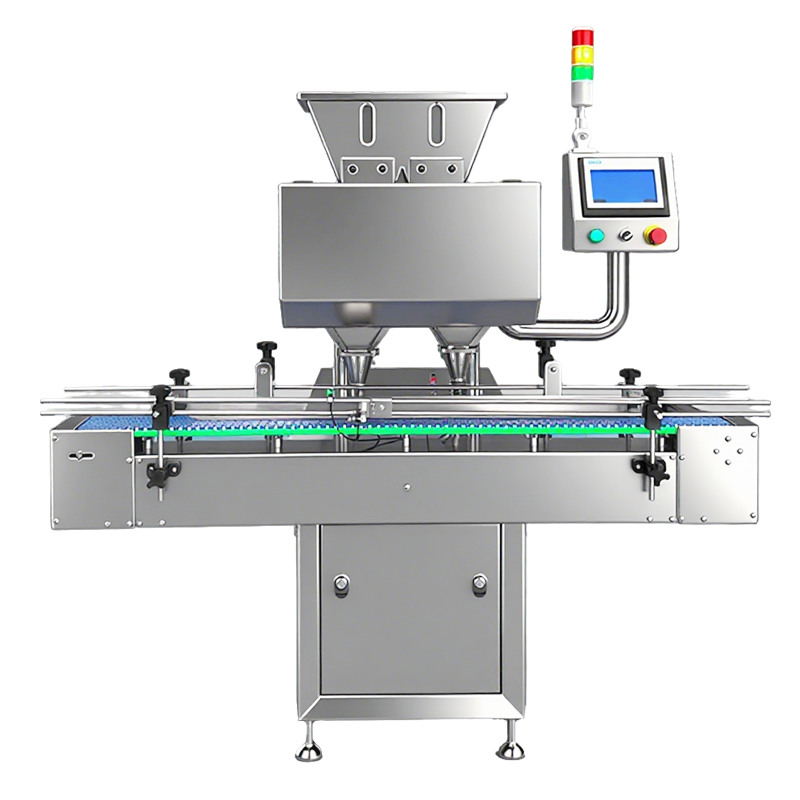
Tablet Counting Machines: Tablet Counting Errors, Causes and Real-Time Solutions
Understanding tablet counting errors and their impact on production accuracy
Tablet counting errors in Tablet Counting Machines directly compromise pharmaceutical batch integrity, with miscalculations costing manufacturers an average of $120k per incident (PharmaTech Review 2022). These discrepancies often originate from mechanical limitations—63% of production delays stem from undercounting due to sensor misalignments, while 29% result from overcounting caused by calibration drift.
How sensor-based detection fails with inconsistent tablet size or coating damage
Modern sensors struggle with tablet size variations exceeding ±0.3mm diameter tolerance, leading to 18% error rates according to the 2023 Pharmaceutical Automation Report. Damaged coatings create similar challenges—rough surfaces reflect 34% less light than standard finishes, causing optical sensors to skip counts.
Case Study: Missed tablets due to calibration issues at a mid-scale pharmaceutical plant
A European manufacturer lost 12% of annual output through undetected undercounting traced to three root causes:
- Thermal expansion warping calibration plates (5.7% error)
- Vibration loosening sensor mounts (3.1% variance)
- Particulate buildup on IR lenses (9.3% false negatives)
Daily verification checks reduced these losses by 82% within eight production cycles.
Strategy: Implementing real-time monitoring to reduce counting errors in Tablet Counting Machines
Advanced systems now deploy closed-loop calibration, adjusting sensor sensitivity every 0.8 seconds based on:
- Tablet mass spectrometry (resolution: 0.05mg)
- Infrared surface mapping (precision: 1¼m)
- Airflow stabilization (variance reduction: 67%)
This approach achieves 99.998% counting accuracy across 15–350 tablet sizes without manual intervention.
Calibration and Sensor Performance Challenges in Tablet Counting Machines
Why inaccurate calibration leads to double or missed counts
Small calibration issues in tablet counting machines can lead to expensive mistakes such as counting tablets twice or missing them entirely. Just think about a 0.5mm off position for the sensor - this kind of thing happens all the time actually, and when it does, around every 50th tablet gets counted wrong especially when these machines are running at full speed. Why does this happen? Well, there are several reasons really. Over time parts just wear down naturally, temperatures inside factories fluctuate throughout the day, and those optical sensors tend to collect dust and grime that makes it hard for them to tell one pill apart from another properly. All these factors contribute to what we call calibration drift, making accurate tablet counting increasingly difficult without regular maintenance checks.
The role of sensor sensitivity and calibration drift over time
Most infrared and laser sensors work best when set to detect changes down to about 0.1 to 0.3 millimeters. But after running nonstop for around half a year, these devices start losing their edge. Research indicates accuracy drops roughly 15% as dust builds up inside and parts wear out from constant operation. What happens next? Factory workers face a tough decision point. They can spend extra time calibrating the equipment regularly, which eats into production hours, or accept bigger margin errors that might lead to quality issues later on. Either way, plant managers end up dealing with either lost efficiency or potential compliance problems down the line.
Case Study: Double counting due to improper settings at a mid-sized pharmaceutical manufacturer
A pharmaceutical facility experienced a 12% overcount rate in its blister packaging line, traced to outdated calibration protocols. After adopting automated self-calibration systems, the plant reduced counting errors by 89% while extending service intervals by 300 operational hours.
Strategy: Scheduled recalibration and automated self-calibration trends in modern tablet counting machines
Leading manufacturers now integrate AI-driven calibration checks that run during idle cycles, comparing real-time counts against weight verification systems. Combining quarterly preventive maintenance with these automated protocols maintains counting accuracy above 99.5% in multi-shift operations—a critical benchmark for GMP-certified facilities.
Physical Damage and Handling Issues During Automated Tablet Counting
Crushed or Broken Tablets Caused by High-Speed Conveyance
High-speed conveyance systems in Tablet Counting Machines increase throughput but amplify fracture risks. Tablets moving at 250–300 units/minute experience 12–15% higher breakage rates compared to slower speeds (<150 units/minute). Thin-coated or friable formulations are particularly vulnerable, with 2023 data indicating 18% of quality control rejections stem from mechanical damage during counting.
Capsule Spillage Due to Misalignment Between Bottle and Dropper
Misalignment between droppers and bottles accounts for 23% of spillage incidents in automated counting lines (PharmaTech Journal 2022). Even 2–3mm offsets cause capsules to deflect into machinery gaps or onto floors. A troubleshooting guide from a leading manufacturer recommends realignment every 1,500 counting cycles to maintain ±0.5mm positional accuracy.
Strategy: Optimizing Dropper Alignment and Reducing Conveyor Speed to Prevent Damage
Implementing dual-axis laser sensors reduces misalignment-related waste by 34%, while lowering conveyor speed to 180 units/minute cuts tablet fracture rates by 41%. A six-month pilot at a EU pharmaceutical facility demonstrated $52k in annual savings through these adjustments without compromising output targets.
How Inconsistent Tablet Weight and Size Increase Mechanical Stress and Downtime
When tablets vary too much in weight, especially beyond about 5% of what they should be, this puts real stress on the sorting systems. The guide rails get worn out faster, and those sensitive sensors start failing more often. Looking at some industry data from last year shows that nearly one third of all unexpected breakdowns in counting machines actually came down to weird shapes or sizes in scored tablets and capsules. Manufacturers who tightened their formulation specs to keep weights within roughly 3% saw something pretty impressive happen. Their production lines experienced way less downtime overall cutting it down by almost two thirds during a recent test run with generic medications.
Preventive Maintenance and Operational Reliability of Tablet Counting Machines
Sensor performance degradation due to dust accumulation and sticky coatings
The dust and leftover stuff from tablet coatings really messes up sensor readings most of the time. According to research published last year in materials handling journals, facilities that process large volumes of products experienced about 40 percent more sensor problems because particles just keep accumulating on them. The situation gets even worse when dealing with sticky coatings. Take sugar-coated pills as an example case study we looked at recently. Over the course of half a year, their presence caused counting accuracy to plummet by roughly 22% since the sensors' lenses got all gummed up. What's interesting is how these results match what many manufacturers already know from experience. Most pharmaceutical companies now have strict protocols in place to prevent such contamination issues, especially for production lines where accurate sensing is absolutely critical to quality control.
Preventive maintenance: Regular cleaning and sensitivity testing for consistent operation
Scheduled cleaning reduces calibration drift by 65%. Best practices include:
- Weekly lens cleaning with 70% isopropyl alcohol
- Monthly sensitivity testing using certified calibration tablets
- Quarterly replacement of air filters in pneumatic counting systems
Facilities following these protocols achieved 99.1% counting accuracy across 12-month production cycles, as verified in a European regulatory audit.
Balancing high-speed operation with machine longevity
While modern tablet counting machines can process 800+ tablets/minute, continuous high-speed operation accelerates wear on feed screws and conveyor belts. Strategic speed reductions during low-demand periods extend component lifespan by up to 200%. For instance, lowering throughput by 15% during auxiliary tasks doubled bearing service intervals in a 2022 field trial.
Operator training and actuator timing adjustments to minimize downtime
Operators who get good training can handle about 73% of small mechanical problems on their own without needing help from technicians. The most important things to teach them are spotting when actuators start going out of alignment, knowing how to tweak feed rates for weirdly shaped tablets, and what to do in emergencies when they need to isolate equipment quickly. Plants that train staff every three months instead of once a year saw a 38% drop in unexpected downtime according to a study published in PharmaTech Quarterly last year. That kind of regular refresh makes all the difference in keeping production running smoothly.
FAQs: Tablet Counting Errors
What causes tablet counting errors in counting machines?
Tablet counting errors can stem from sensor misalignments, calibration drift, mechanical limitations, inconsistent tablet size, coating damage, and dust accumulation on sensors.
How can manufacturers reduce tablet counting errors?
Manufacturers can implement real-time monitoring, closed-loop calibration, regular maintenance checks, AI-driven calibration checks, and preventive maintenance protocols to reduce errors.
Why is sensor calibration important for accurate tablet counting?
Sensor calibration ensures that counting machines accurately detect and differentiate tablets without double counting or missing any, especially when machines run at full speed.
How does high-speed conveyance increase tablet damage?
High-speed conveyance amplifies fracture risks, causing increased breakage rates, particularly for thin-coated or friable tablets.
What preventive measures can improve tablet counting reliability?
Regular cleaning, sensitivity testing, training operators, and adjusting actuator timing are crucial measures to maintain reliability and minimize downtime.
Table of Contents
-
Tablet Counting Machines: Tablet Counting Errors, Causes and Real-Time Solutions
- Understanding tablet counting errors and their impact on production accuracy
- How sensor-based detection fails with inconsistent tablet size or coating damage
- Case Study: Missed tablets due to calibration issues at a mid-scale pharmaceutical plant
- Strategy: Implementing real-time monitoring to reduce counting errors in Tablet Counting Machines
-
Calibration and Sensor Performance Challenges in Tablet Counting Machines
- Why inaccurate calibration leads to double or missed counts
- The role of sensor sensitivity and calibration drift over time
- Case Study: Double counting due to improper settings at a mid-sized pharmaceutical manufacturer
- Strategy: Scheduled recalibration and automated self-calibration trends in modern tablet counting machines
- Physical Damage and Handling Issues During Automated Tablet Counting
- Preventive Maintenance and Operational Reliability of Tablet Counting Machines
- FAQs: Tablet Counting Errors