 EN
EN

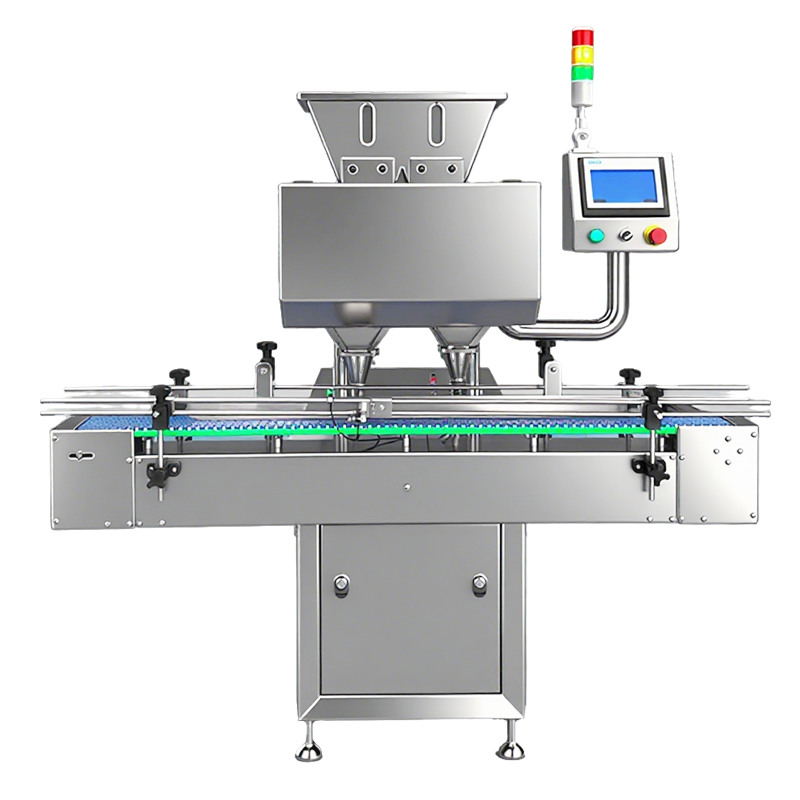
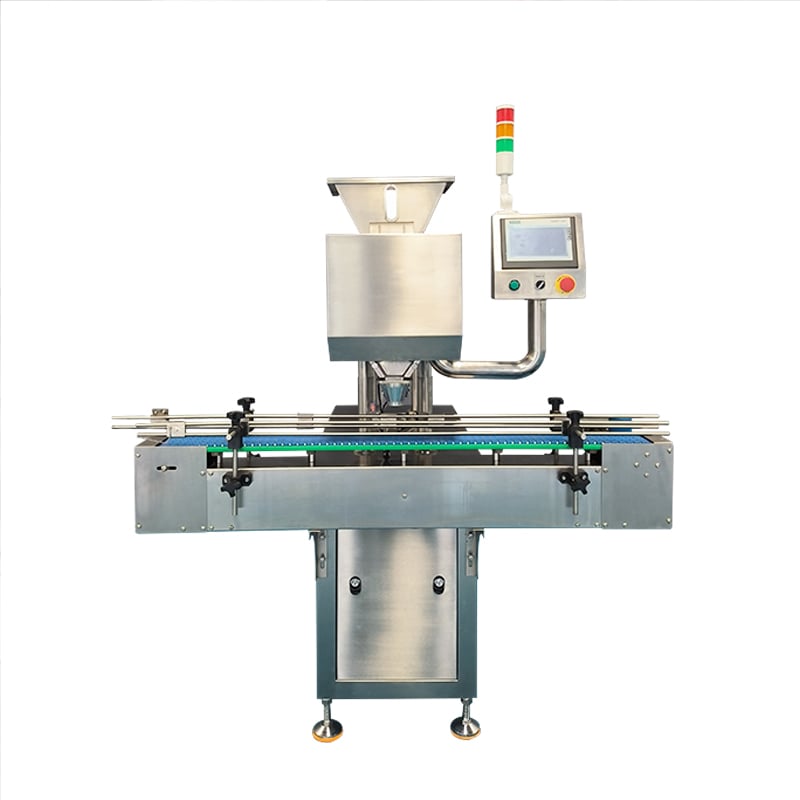
Challenges of Manual Counting in Electronics Manufacturing About Automatic Counting Machine
When companies count tiny components manually such as surface mount devices and various connectors, they typically end up with around 5% errors according to research from the Ponemon Institute back in 2023. These mistakes translate into roughly seven hundred forty thousand dollars lost every year due to having to recount everything and dealing with wasted materials. Factory workers who spend their shifts sorting through literally thousands of identical looking parts inevitably get tired out, which means shipments often come up short or whole production lines stall because nobody knows exactly what's in stock anymore. The problem gets even worse when different kinds of components get mixed together during processing, something that happens all the time with capacitors and resistors. These look so similar at first glance that even experienced technicians sometimes mix them up by accident, creating serious problems down the line for quality assurance teams trying to track where things went wrong.
Why Small Parts Manufacturers Need Automated Counting Machines
Automated systems cut down on mistakes made by humans when it comes to counting parts. These machines can handle over 20 thousand components each hour and get things right about 99 times out of 100. Industry reports show that such equipment helps lower product recall rates caused by defects by around ninety percent. They work well across different component sizes too, handling everything from those tiny 0201 resistor chips all the way up to weirdly shaped connectors. What makes them really useful is their ability to spot even small differences in how parts look or weigh, which means they meet the tough requirements set for making stuff used in planes and medical devices.
Impact of Automation on Production Efficiency and Inventory Accuracy
Automatic counting machines cut down on counting time dramatically, sometimes as much as 70 percent according to some reports. With real time inventory updates coming from these systems, businesses see around a 40% drop in stock discrepancies across their operations. The accuracy offered by these machines stops companies from making too much product, saves money on warehouse space, and keeps those Just-in-Time manufacturing processes running smoothly without hiccups. Factories that have installed such counting systems typically experience about a quarter increase in production output. Why? Because instead of people manually entering numbers into spreadsheets all day long, the data gets logged automatically and connects right into existing ERP software without any extra work needed from staff members.
How Automatic Counting Machines Enhance Accuracy and Reduce Errors
Counting machines that work automatically get rid of those pesky human errors in making electronic parts thanks to their fancy sensors and quality control systems that loop back on themselves. The really good ones have these high precision optical sensors paired with machine vision tech that can count stuff like surface mount devices and tiny connectors with over 99.9% accuracy. That's way better than what people can do manually at about 85%. What makes these systems so effective is how they spot problems in real time. If components overlap or there's some static messing things up, the system catches it within fractions of a second and fixes the issue right away. Take ceramic capacitors for example. One factory saw shipping defects drop by nearly 92% once they hooked up automated counting with systems that reject faulty items inline. Plus, these closed loop systems create digital records that help track everything going through the facility. For places running at high volume, this means fewer headaches when reconciling inventory counts at month end.
Core Technologies Powering High-Speed Component Counting
Modern automatic counting machines rely on four primary technologies to achieve sub-0.5% counting errors in electronics production: optical imaging, vibratory feeding, precision weight measurement, and laser/infrared detection. Each method addresses specific challenges in handling components ranging from 0201-size SMDs to irregularly shaped connectors.
Types of Counting Technologies: Optical, Vibratory, Weight-Based, and Laser/Infrared
High speed optical systems can snap pictures of over 2000 components every single minute, which makes them great for checking if there are enough surface mount devices on a board. Then we have these vibratory counters that shake things apart using special vibrating plates controlled by frequencies. They work really well too, getting almost perfect alignment right at 99.9 percent when dealing with those round capacitors. For counting pieces based on weight, manufacturers rely on super sensitive scales that pick up changes down to micrograms. And don't forget about lasers and infrared sensors either they spot clear parts that regular cameras just cant see, something that saves a lot of headaches during quality checks.
Imaging and Sensing Technology for Tiny or Irregularly Shaped Electronic Components
The latest sensor tech can pick out details as small as 5 microns, which is basically spotting those tiny 0.2mm chip resistors even when they're whizzing past at 4 meters per second. For components that reflect light weirdly or just don't stand out visually, manufacturers are turning to multi-spectral imaging that mixes regular light with UV and IR wavelengths. This approach works wonders for counting stuff that would otherwise get lost in the shuffle. According to research published last year, factories using these hybrid vision systems saw their error rates drop by almost four fifths when dealing with all sorts of mixed electronic parts like LEDs and those little connectors we all hate losing track of.
Role of Vibratory Bowl Feeders in Component Orientation and Reliable Counting
Precision-engineered vibratory bowls achieve 0.02mm alignment tolerances through programmable vibration patterns. By combining centrifugal sorting with AI-driven path optimization, these systems maintain 800–1,200 components-per-minute throughput even with sub-millimeter parts. Manufacturers report 30% fewer jams after upgrading to adaptive frequency models that self-adjust based on component geometry.
Comparative Analysis: Optical vs. Weight-Based Systems in Mixed-Component Environments
While optical systems dominate 73% of counting applications (Automation World 2023), weight-based solutions prove essential for mixed batches containing visually identical but weight-differentiated components. Recent implementations of infrared detection systems show particular promise, achieving ±0.3% counting accuracy even with overlapping translucent films—a 40% improvement over conventional methods in pharmaceutical-electronic crossover applications.
Selecting the Right Automatic Counting Machine for Your Production Needs
Choosing the optimal automatic counting machine requires aligning technical specifications with your component profiles and production goals. A mismatched system can create bottlenecks, damage fragile parts, or compromise inventory accuracy issues that cost manufacturers $740k annually in operational waste (Ponemon 2023).
Matching Machine Capabilities to Component Size, Shape, and Fragility
Today's equipment works with everything from those tiny 0.4 mm chip resistors right up to big 25 mm connectors, though different tech really shines in different situations. Optical sensors are great when dealing with small surface mount devices or weirdly shaped bits that just won't fit nicely into standard setups. For bigger stuff like heatsinks, weight based systems tend to work better overall. And then there's the tricky ones too - ceramic capacitors need special handling. These delicate components actually demand gentle vibratory trays coated with anti static materials so they don't crack during the counting process. A lot of manufacturers have learned this the hard way after losing batches due to micro fractures nobody even noticed until later.
Key Features for High-Volume SMDs, Resistors, Capacitors, and Connectors
For high-mix electronics production, prioritize machines offering:
- Multi-lane counting channels for parallel processing of 0201 resistors and QFP ICs
- Real-time validation against CAD models to flag missing pins or bent leads
- Adaptive vibration control to prevent jamming in tapered capacitor feeders
High-speed systems now achieve <0.01% error rates when counting 5,000+ microchips per hour, a 34% accuracy improvement over legacy models (2023 Manufacturing Automation Report).
Scalability and Integration With Existing Production and ERP Systems
Top industrial machines generate CSV and XML files that work seamlessly with SAP, Oracle, and various other enterprise resource planning systems, which makes adjusting inventory levels much easier across operations. The modular nature of these systems means companies can simply plug in RFID tagging stations or install vision inspection modules whenever business requirements change. According to McKinsey research from 2022, manufacturing plants that connect their counting systems to MRP software see a dramatic drop in parts shortages - around 62 percent reduction - plus they save nearly 19 percent on what they spend to hold inventory stock. These numbers tell us something important about how modern factories are adapting to stay competitive.
Future Trends in Automatic Counting Machine Technology
AI-driven anomaly detection for smarter component counting
The latest automatic counting machines are starting to incorporate deep learning algorithms that can spot tiny component flaws while running at blistering speeds. A recent market analysis from 2024 shows factories that switched to AI vision systems saw around two thirds fewer counting mistakes than those still relying on old school optical sensors. What makes these smart systems so effective? They automatically detect problems like too small capacitors or oddly shaped connectors by recognizing patterns learned from analyzing roughly 15 million different component pictures over time. This kind of advanced detection helps maintain quality control without slowing down production lines.
Predictive maintenance and self-calibration in next-generation machines
IoT-enabled counting machines now predict bearing wear and feeder mechanism degradation 72 hours before failure. Field data shows self-calibrating models maintain ±0.01% accuracy through 10,000+ operational hours by automatically adjusting for environmental factors like humidity fluctuations. This capability reduces calibration labor costs by 83% in high-mix PCB assembly environments.
Modular and reconfigurable systems for flexible electronics manufacturing
Top manufacturers are starting to roll out equipment featuring interchangeable vibration bowls along with multispectral sensors capable of adapting to different parts within just over 10-15 minutes. According to research published recently on smart manufacturing practices, such modular setups can cut down changeover times by around 94 percent when switching from SMD resistors to those QFN packages, all while keeping track counts accurate at nearly 99.4%. Some newer hybrid models actually blend traditional weight counting methods with laser technology, which means they work pretty well with tricky components like spring contacts without needing any kind of expensive retrofitting job later on.
FAQ
Why are manual counting methods not efficient in electronics manufacturing?
Manual counting methods can lead to around 5% errors due to the fatigue of workers and the mixing of similar-looking components like capacitors and resistors. This results in significant financial losses due to wasted materials and rework.
How do automatic counting machines benefit production efficiency?
Automatic counting machines reduce counting time by up to 70%, decrease stock discrepancies by 40%, and increase production output by approximately 25% by providing real-time inventory updates and accurate data integration into ERP systems.
What technologies do modern automatic counting machines use?
These machines employ optical imaging, vibratory feeding, precision weight measurement, and laser/infrared detection to achieve high accuracy in component counting.
What factors should be considered when selecting an automatic counting machine?
Key considerations include the machine's compatibility with the size, shape, and fragility of components, as well as its ability to integrate with existing production and ERP systems for scalability.
Table of Contents
- How Automatic Counting Machines Enhance Accuracy and Reduce Errors
-
Core Technologies Powering High-Speed Component Counting
- Types of Counting Technologies: Optical, Vibratory, Weight-Based, and Laser/Infrared
- Imaging and Sensing Technology for Tiny or Irregularly Shaped Electronic Components
- Role of Vibratory Bowl Feeders in Component Orientation and Reliable Counting
- Comparative Analysis: Optical vs. Weight-Based Systems in Mixed-Component Environments
- Selecting the Right Automatic Counting Machine for Your Production Needs
- Future Trends in Automatic Counting Machine Technology
- FAQ