 EN
EN

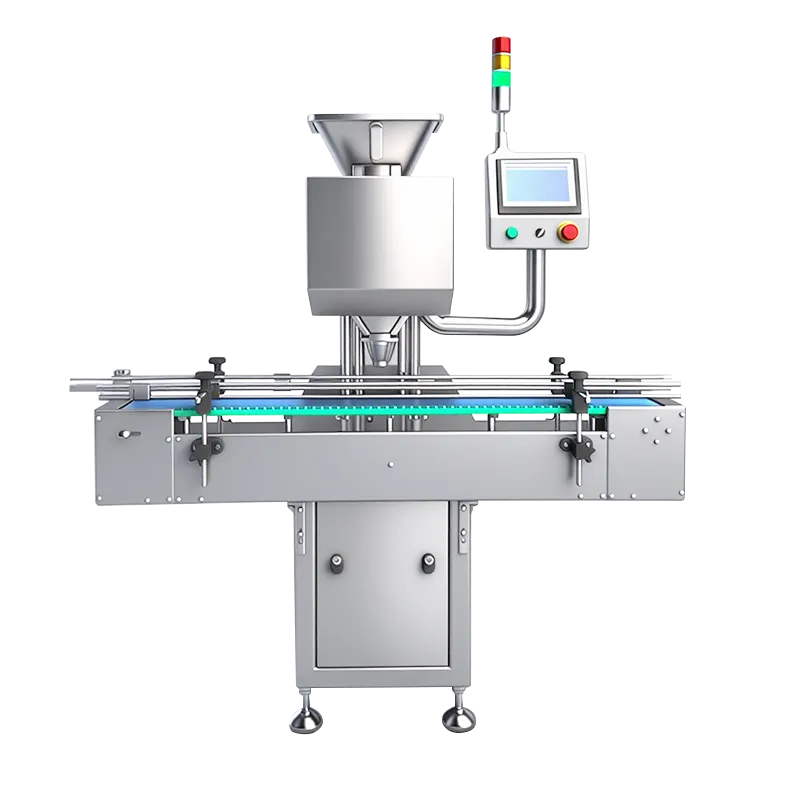
Auswahl einer Kapselzählmaschine: Ein praktischer Entscheidungsrahmen
Die richtige Kapselzählmaschine auszuwählen, erfordert die Abstimmung Ihrer spezifischen Produktionsanforderungen – Kapseltypen, Füllmengen, Flaschengrößen, tägliche Produktionsmenge und regulatorische Rahmenbedingungen – auf die verfügbaren Maschinenfunktionen am Markt. Die falsche Wahl führt entweder zu einer Unterinvestition (eine Maschine, die Ihre Anforderungen an Durchsatz oder Genauigkeit nicht erfüllt) oder zu einer Überinvestition (eine Maschine mit Funktionen, die Sie niemals nutzen werden, zu einem Aufpreis erworben). Dieser Leitfaden bietet einen strukturierten Entscheidungsrahmen, um die richtige Auswahl für Ihr Unternehmen zu treffen.
Hangzhou Ruiyi Machinery Technology Co., Ltd. fertigt Kapselzählmaschinen für alle Produktionsgrößen – von halbautomatischen Maschinen für Kleinserien und Pilotproduktion bis hin zu vollautomatischen, mehrkanaligen Hochgeschwindigkeitssystemen für die pharmazeutische Großserienfertigung. Mit über 20 Jahren Branchenerfahrung, CE- und ISO-9001-Zertifizierungen sowie Ausfuhren in über 50 Länder bietet Ruiyi Machinery ein umfassendes Produktsortiment für alle gängigen Kapselzählanwendungen in der pharmazeutischen, der Nahrungsergänzungsmittel- und der Lebensmittelzusatzstoffindustrie.
Der weltweite Markt für pharmazeutische Verpackungsmaschinen, der im Jahr 2025 einen Wert von 10,5 Milliarden US-Dollar erreicht (MarketsandMarkets, Juli 2025), umfasst Dutzende verschiedener Modelle von Kapselzählmaschinen zahlreicher Hersteller weltweit. Der nachfolgende Rahmen hilft Ihnen dabei, die Auswahl auf die Maschinen einzugrenzen, die Ihren Anforderungen tatsächlich entsprechen.
Bewertung 1: Passen Sie die Maschinenkapazität an Ihr Produktionsvolumen an
Beginnen Sie damit, Ihr aktuelles und prognostiziertes Tagesproduktionsvolumen in Flaschen pro Tag zu berechnen. Berücksichtigen Sie sowohl Ihr bestehendes Produktportfolio als auch alle Produkte, die Sie innerhalb der nächsten 24 Monate einführen planen. Wenden Sie dann die Regel für die Kapazitätsreserve von 20 % an: Die ausgewählte Maschine sollte eine angegebene maximale Durchsatzleistung aufweisen, die mindestens 20 % höher ist als Ihr höchster täglicher Bedarf, um Produktionsineffizienzen und zukünftiges Wachstum abzudecken.
| Ihr Tagesvolumen (Flaschen/Tag) | Erforderliche Maschinenkapazität (mit 20-%-Reserve) | Empfohlener Maschentyp | Typischer Investitionsbereich |
|---|---|---|---|
| Bis zu 4.000 | ~5.000 (25 bpm) | Halbautomatisch, einkanalig | $8,000–$18,000 |
| 4,000–16,000 | ~19.000 (40 bpm) | Automatisch, 8-kanalig | $25,000–$40,000 |
| 16,000–40,000 | ~48.000 (100 bpm) | Automatisch, 16-kanalig | $45,000–$65,000 |
| 40,000–80,000 | ~96.000 (200 Schläge/min) | Hochgeschwindigkeits-Automatik, 24–32 Kanäle | $65,000–$95,000 |
| 80,000+ | 96.000+ (200+ Schläge/min) | Doppelkopf-Tandem-Konfiguration | $95,000–$160,000 |
Bewertung 2: Passen Sie die Sensortechnologie an Ihre Kapseltypen an
Der Zählsensor bestimmt, welche Kapseltypen Ihre Maschine zuverlässig verarbeiten kann. Wenn Sie ausschließlich standardmäßige undurchsichtige Hartgelatinekapseln herstellen, genügt möglicherweise ein einfacher Infrarotsensor. Falls Ihr Produktportfolio durchsichtige HPMC-Kapseln, Weichkapseln oder Kapseln mit ungewöhnlichen optischen Eigenschaften umfasst, benötigen Sie ein fortschrittlicheres Sensorsystem.
| Kapselart | Optische Herausforderung | Mindestens erforderlicher Sensor | Ruiyi-Lösung |
|---|---|---|---|
| Undurchsichtige Hartgelatinekapseln (Standard) | Keine — vollständig lichtundurchlässig | Einzelner IR-Fotoelektrischer Sensor | Standard-Sensor (alle Modelle) |
| Farbiger Hartgelatine | Farbabsorption variiert je nach Wellenlänge | Fotoelektrischer Sensor für sichtbares Licht | Zweispektrum-Sensor (RY-CM-100+) |
| Transparente HPMC / vegetarisch | Licht tritt mit minimaler Unterbrechung hindurch | Multispektrum-Fotoelektrischer Sensor | Multispektrumsensor (RY-CM-250 Pro) |
| Weichkapseln (alle Farben) | Variable Form und Transparenz; Oberflächenglanz verursacht Reflexionen | Multispektrum + antiglänzend | Multispektrumsensor mit adaptiver Verstärkung (RY-CM-250 Pro) |
| Gemischtes Produkt (Kapseln + Tabletten in der gleichen Flasche) | Unterschiedliche Größen und Formen erfordern Zählung mehrerer Produkte | Multispektrum + zweikanalige Zuführung | RY-CM-250 Pro mit Zweikanal-Zuführkonfiguration |
Bewertung 3: Bewertung der antistatischen und umgebungsbezogenen Steuerungsmerkmale
Kapseln – insbesondere HPMC- und Weichgelatinekapseln – sind besonders anfällig für statische Elektrizität, wodurch sie an den Wänden des Zuführkanals haften bleiben, sich verklumpen und eine ungleichmäßige Produktzufuhr zu den Zählsensoren bewirken. In Produktionsumgebungen mit einer relativen Luftfeuchtigkeit unter 40 % (häufig in trockenen Klimazonen und klimatisierten Anlagen) können statikbedingte Zählfehler die Genauigkeit von ±0,1 % auf ±0,5 % oder schlechter verschlechtern, falls die Maschine keine ausreichende Statikminderung bietet.
Wesentliche antistatische Merkmale, auf die es zu achten gilt:
- Ionisierungsstäbe im Zuführtrichter: Neutralisieren die statische Aufladung der Kapseln beim Eintritt in das Zuführsystem, bevor diese den Zählkanal erreichen. Maschinen von Ruiyi Machinery sind bei allen Kapselzählkonfigurationen standardmäßig mit Ionisierungsstäben ausgestattet.
- Antistatische Beschichtung auf den Oberflächen des Zuführkanals: Verringert die durch Reibung verursachte statische Aufladung, während Kapseln über das Vibrationsfach gleiten. Achten Sie auf PTFE (Teflon) oder ähnliche reibungsarme Beschichtungen an allen produktberührenden Oberflächen im Zuführweg.
- Integration der Umgebungsüberwachung: Fortgeschrittene Maschinen verfügen über Temperatur- und Feuchtigkeitssensoren in der Zählkammer; das Steuerungssystem warnt den Bediener, sobald die Bedingungen außerhalb des optimalen Bereichs liegen (20–25 °C, 40–50 % rel. Luftfeuchtigkeit). Diese Funktion ist besonders wertvoll für Anlagen in tropischen oder trockenen Klimazonen.
- Geschlossene Zählkammer mit optionaler Feuchtigkeitsregelung: Für Anlagen in extremen Klimazonen sorgt eine geschlossene Zählkammer mit integrierter Entfeuchtung für optimale Bedingungen unabhängig von der Umgebungsatmosphäre – so bleibt die Zählleistung das ganze Jahr über konstant.
Bewertung 4: Regulatorische und Dokumentationsanforderungen
Ihr regulatorisches Umfeld bestimmt die Dokumentations- und Konformitätsmerkmale, die Ihre Zählmaschine aufweisen muss. Hersteller, die den US-Markt beliefern, benötigen die Konformität mit 21 CFR Part 11; Hersteller, die den EU-Markt beliefern, benötigen CE-gekennzeichnete Geräte, die die EU-GMP-Anforderungen erfüllen; Hersteller in aufstrebenden Märkten, die sich auf Exportfähigkeit vorbereiten, sollten Geräte wählen, die beide Standards erfüllen, um zukünftigen Austausch von Geräten zu vermeiden.
| Gesetzliche Vorgabe | Benötigte Maschinenfunktion | Betroffene Märkte | Ruiyi-Konformität |
|---|---|---|---|
| 21 CFR Part 11 (Elektronische Aufzeichnungen) | Audit-Trail, elektronische Signaturen, rollenbasierte Zugriffskontrolle | USA und Exporteure in die USA | Konfigurierbare Option, alle Modelle |
| EU-GMP (EudraLex Band 4) | IQ/OQ/PQ-Dokumentation, Materialzertifikate | EU und Exporteure in die EU | Standard, alle Modelle |
| WHO-GMP-Richtlinien | Gerätequalifizierung, Kalibrierungsunterlagen | Aufstrebende Märkte, von der WHO vorqualifizierte Hersteller | Standard, alle Modelle |
| CE-Kennzeichnung (Maschinenrichtlinie) | Sicherheitsverriegelungen, elektrische Konformität | EU und viele importierende Länder | Standard, alle Modelle |
| ISO 9001 (Qualitätsmanagementsystem des Herstellers) | Zertifizierung des Qualitätsmanagementsystems des Herstellers | Global — Anforderung des Käufers | Zertifizierter Hersteller |
| DSCSA/FMD-Seriennummerierung | OPC UA/EtherNet/IP-Konnektivität für den Datenaustausch | USA (DSCSA), EU (FMD) und andere | Standard- und RY-CM-100+-Modelle |
Bewertung 5: Kriterien zur Lieferantenbewertung
Der Lieferant der Zähleinrichtung ist genauso wichtig wie die Maschine selbst. Eine Kapselzähleinrichtung ist eine Investition von zehn bis fünfzehn Jahren, und die Fähigkeit des Lieferanten zum After-Sales-Support beeinflusst direkt die langfristige Leistung und Verfügbarkeit der Maschine. Bewerten Sie potenzielle Lieferanten anhand der folgenden Kriterien:
- Branchenerfahrung: Wie lange fertigt der Lieferant bereits pharmazeutische Zähleinrichtungen? Ruiyi Machinery bringt über zwanzig Jahre Erfahrung im Bereich pharmazeutischer Maschinen in jede Kundenbeziehung ein; das technische Team versteht die regulatorischen und betrieblichen Anforderungen der pharmazeutischen Fertigung.
- Installierte Basis: Wie viele Maschinen hat der Lieferant installiert und in welchen Ländern? Eine breite installierte Basis demonstriert die Zuverlässigkeit des Produkts und bietet ein Netzwerk von Referenzkunden. Die Geräte von Ruiyi Machinery sind in über 50 Ländern in Asien, dem Nahen Osten, Afrika, Südamerika und Osteuropa im Einsatz.
- Zusage zur Reaktionszeit: Wie lautet die vom Lieferanten garantierte Reaktionszeit für technischen Support? Ruiyi Machinery verpflichtet sich zu einer Reaktionszeit von 12 Stunden; Remote-Diagnose-Support ist über eine sichere VPN-Verbindung verfügbar.
- Verfügbarkeit von Ersatzteilen: Wie schnell können kritische Ersatzteile geliefert werden? Verfügt der Lieferant über ein Ersatzteil-Lagerbestand für ältere Modelle? Ruiyi Machinery versendet Standard-Ersatzteile innerhalb von 48 Stunden und unterhält Lagerbestände für alle aktuellen sowie jüngeren Modelle.
- Schulungsprogramm: Stellt der Lieferant Schulungen für Bediener als Teil des Installationspakets bereit? Sind Auffrischungs- oder erweiterte Schulungen verfügbar? Ruiyi Machinery bietet ein dreistufiges Schulungsprogramm an: Inbetriebnahmeschulung (vor Ort, 2 Tage), erweiterte Bediener-Schulung (remote, 1 Tag nach 3 Monaten) und Train-the-Trainer (remote, 1 Tag nach 6 Monaten).
- Anpassungsfähigkeit: Kann der Lieferant die Maschine an ungewöhnliche Kapselgrößen, Flaschenformate oder Produktionslinienkonfigurationen anpassen? Das Ingenieurteam von Ruiyi Machinery umfasst über 70 Mitarbeitende, darunter Applikationsingenieure, die maßgeschneiderte Konfigurationen für spezielle Anwendungen entwerfen können.
Bewertung 6: Gesamtbetriebskosten über 10 Jahre
Der Kaufpreis einer Kapselzähleinheit macht nur 40 % bis 50 % der gesamten Betriebskosten über eine Nutzungsdauer von 10 Jahren aus. Bei einem Vergleich von Maschinen verschiedener Lieferanten sollten die Gesamtbetriebskosten (TCO) über 10 Jahre anhand der folgenden Kostenkategorien berechnet werden:
- Kapitalaufwand: Kaufpreis der Maschine, Versand, Installation und Inbetriebnahme.
- Energiekosten: Berechnung basierend auf dem Nennleistungsverbrauch der Maschine und Ihrem lokalen Stromtarif. Eine Leistungsverbrauchs-Differenz von 20 % zwischen zwei Maschinen kann über 10 Jahre hinweg zusätzliche Energiekosten von 4.000 bis 8.000 US-Dollar bedeuten.
- Wartung und Ersatzteile: Die jährlichen Wartungskosten liegen typischerweise zwischen 3 % und 8 % des Kaufpreises der Maschine. Maschinen mit Komponenten geringerer Qualität erfordern häufigeren Austausch verschleißanfälliger Teile (z. B. Zuführfedern, Sensormodule, Dichtungen).
- Bedienpersonal: Ein Bediener pro Schicht ist bei automatischen Maschinen Standard. Erfordert eine Maschine aufgrund ihrer Komplexität oder Zuverlässigkeitsprobleme zwei Bediener, können die zusätzlichen Personalkosten über 10 Jahre hinweg 120.000 US-Dollar überschreiten.
- Produkt-Giveaway: Dies ist oft die größte Kostenvariable. Eine Maschine mit einer Genauigkeit von ±0,5 % gibt fünfmal mehr Produkt verloren als eine Maschine mit einer Genauigkeit von ±0,1 %. Bei hochwertigen Kapsel-Formulierungen kann dieser Unterschied über 10 Jahre hinweg 50.000 bis 150.000 US-Dollar betragen.
- Kosten der Betriebsunterbrechung: Ausfallzeiten ohne Planung verursachen Kosten von etwa 200 bis 500 US-Dollar pro Stunde an Produktionsausfällen. Eine Maschine mit einer Verfügbarkeit von 99,5 % (typisch für hochwertige Geräte) verliert pro Jahr etwa 100 Stunden an ungeplanten Ausfallzeiten, während eine Maschine mit einer Verfügbarkeit von 98 % etwa 400 Stunden verliert – ein Unterschied von 60.000 bis 150.000 US-Dollar pro Jahr.
Fazit: Eine Entscheidung, die Ihre Produktion der Zukunft prägt
Die Auswahl der richtigen Kapselzählmaschine ist eine Entscheidung, die Ihre Produktionskapazität, Ihre Qualitätsleistung und Ihre Kostenstruktur für das nächste Jahrzehnt prägen wird. Durch eine systematische Bewertung des Produktionsvolumens, der Sensortechnologie, der Umgebungssteuerung, der regulatorischen Konformität, der Lieferantenkompetenz sowie der Gesamtbetriebskosten können Sie eine Maschine auswählen, die sowohl Ihren unmittelbaren Produktionsanforderungen als auch Ihrer langfristigen Geschäftsstrategie gerecht wird.
Fordern Sie eine individuelle Beratung zur Maschinenauswahl an
Teilen Sie Ihre Spezifikationen für das Kapselprodukt, Ihre täglichen Volumenziele und Ihre regulatorischen Anforderungen mit Hangzhou Ruiyi Machinery Technology Co., Ltd. Unsere Applikationsingenieure erstellen innerhalb von 24 Stunden eine maßgeschneiderte Empfehlung inklusive einer Total-Cost-of-Ownership-Analyse über zehn Jahre.
tel.: +86-13868159610
e-Mail: [email protected]
Datenquellen: MarketsandMarkets-Bericht zum Markt für pharmazeutische Verpackungsausrüstung, Juli 2025; FDA 21 CFR Teil 11 (Elektronische Aufzeichnungen und elektronische Signaturen); EU-GMP-Richtlinien EudraLex Band 4; WHO Technical Report Series Nr. 1019, Anhang 3; ANSI/ASQ Z1.4 Stichprobenverfahren.
Inhaltsverzeichnis
- Auswahl einer Kapselzählmaschine: Ein praktischer Entscheidungsrahmen
- Bewertung 1: Passen Sie die Maschinenkapazität an Ihr Produktionsvolumen an
- Bewertung 2: Passen Sie die Sensortechnologie an Ihre Kapseltypen an
- Bewertung 3: Bewertung der antistatischen und umgebungsbezogenen Steuerungsmerkmale
- Bewertung 4: Regulatorische und Dokumentationsanforderungen
- Bewertung 5: Kriterien zur Lieferantenbewertung
- Bewertung 6: Gesamtbetriebskosten über 10 Jahre
- Fazit: Eine Entscheidung, die Ihre Produktion der Zukunft prägt